Dental Bridges in Gresham, OR
Restore Your Smile with Dental Bridges at Premier Dentistry in Gresham
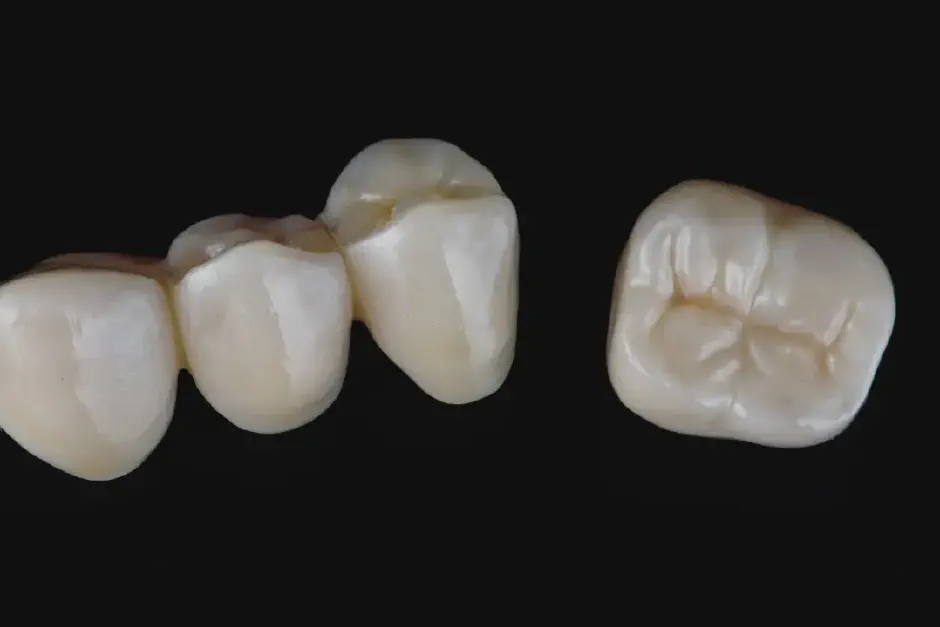
At Premier Dentistry, we know missing teeth can make life tough. It might hurt when you eat, change how you talk, or make you feel shy about your smile. If you are looking for “dental bridges near me,” we are here to help. Dental bridges are fixed devices that fill gaps from missing teeth. They connect to the teeth next to the gap or to implants for a strong, natural look. Our office in Gresham, OR, uses modern tools like CEREC for same-day fixes. Our team has decades of experience in the Portland area and is nationally recognized for great care. The lead dentist has a Bachelor of Science in biochemistry and a Doctor of Dental Surgery degree. We focus on making you comfortable with high-tech, minimally invasive methods. Ready to learn more?
Call us at (503) 667-1184 or visit our website to set up a free chat.
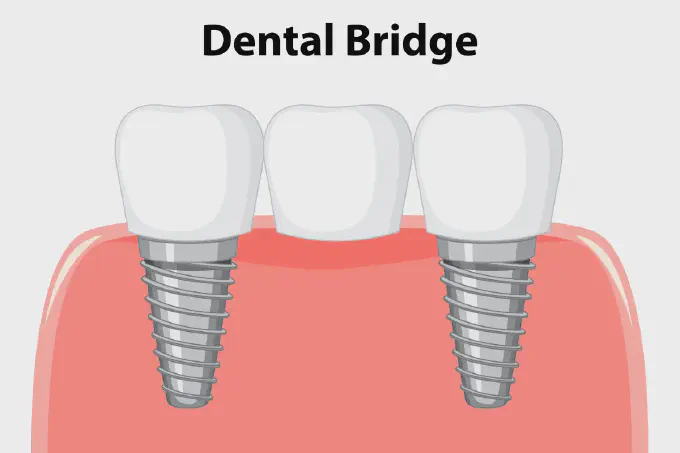
What Are Dental Bridges?
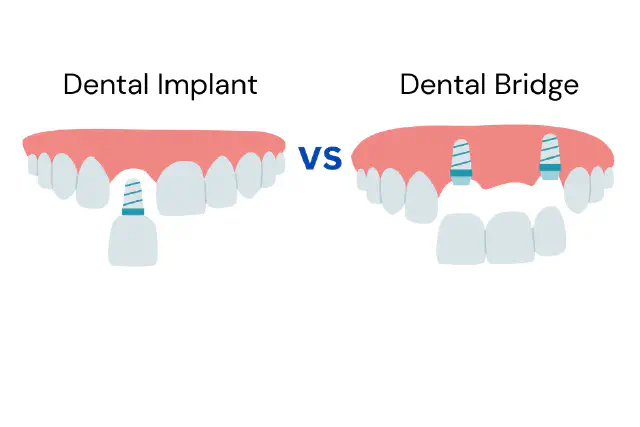
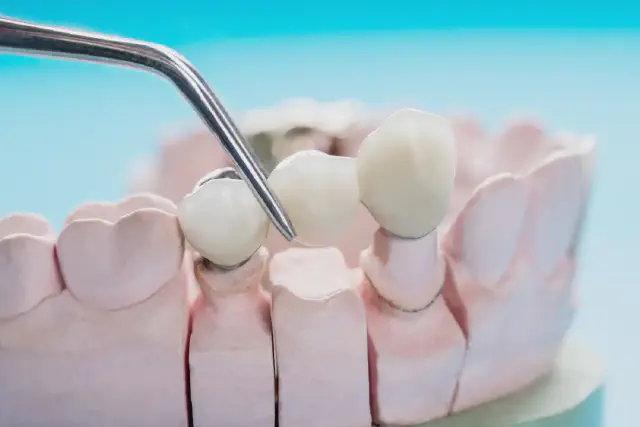
Dental bridges replace one or more missing teeth. They have fake teeth, called pontics, held in place by crowns on the teeth beside the gap. This helps stop other teeth from moving and keeps your bite even. You may need a bridge if you have lost teeth from rot, harm, or pulling. Without it, you could face jaw pain or more tooth loss. At our office, we check your mouth to see if a bridge is right for you.
Types of Dental Bridges
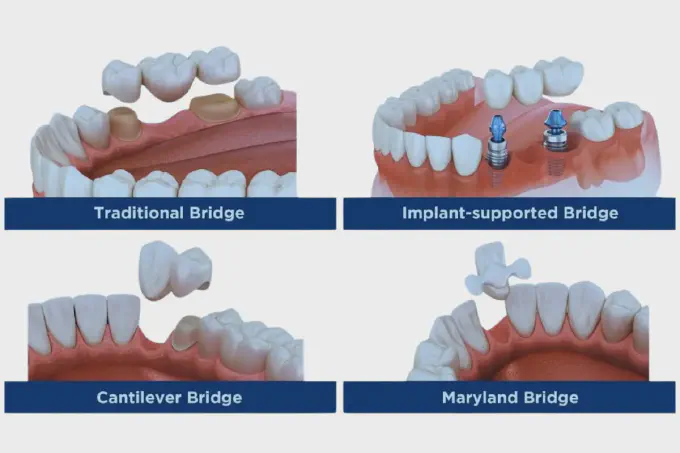
We offer four main types to fit your needs:
- Traditional Bridges: These use crowns on both sides of the gap. They are strong but need healthy teeth nearby. Good for most people.
- Cantilever Bridges: Held by a crown on just one side. Best for spots with only one tooth next to the gap, like front teeth.
- Maryland Bridges: Bonded with wings to the back of nearby teeth. Less change to your teeth, but not for hard chewing areas.
- Implant-Supported Bridges: Fixed to implants in your jaw. Very stable for big gaps and helps keep your bone strong.
We use 3D scans to pick the best one for you.
The Procedure: Step-by-Step
Getting a bridge is simple and takes a few steps:
- First Visit: We talk about your goals, take X-rays, and make molds of your teeth.
- Prep and Fit: We shape the nearby teeth, put on a short-term bridge, and then place the final one. With our CEREC tool, some parts can be done in one day.
- Recovery: You might feel a bit sore for a few days. Eat soft foods and take pain meds if needed. Most people feel back to normal in a week.
We offer ways to relax, like sedation, if you feel worried. The whole thing often takes 2 to 3 visits.
Benefits and Advantages
Bridges make eating and speaking easier. They keep your face shape nice and stop other teeth from shifting. Your smile looks better, and it lowers the chance of gum problems. Many patients say they feel more sure of themselves after.
Risks, Maintenance, and Alternatives
Like any dental work, there are small risks, such as soreness, loose fits, or gum issues. We use top materials to lower these chances. To keep your bridge good, brush and floss each day. Use a water pick for hard spots. Come in every six months for checks. Other choices include dentures, which come out, or implants, which are fixed but cost more. Bridges are often a good mix of ease and strength.
Why Choose Premier Dentistry?
Our team has years of know-how in fixing smiles. We use the latest tech in a cozy spot with free parking and bendy hours. Find us at 23479 SE Stark St, Suite 102, Gresham, OR 97030.
We follow top safety rules and teach you how to care for your teeth at home.
Learn more about our full range of restorative dentistry services. For single damaged teeth, see dental crowns or one-day crowns. For a permanent solution to missing teeth, explore dental implants.