Dental Bridge Care 101: Expert Advice
Dental Bridge Care 101: How to Keep Your Smile Strong and Healthy
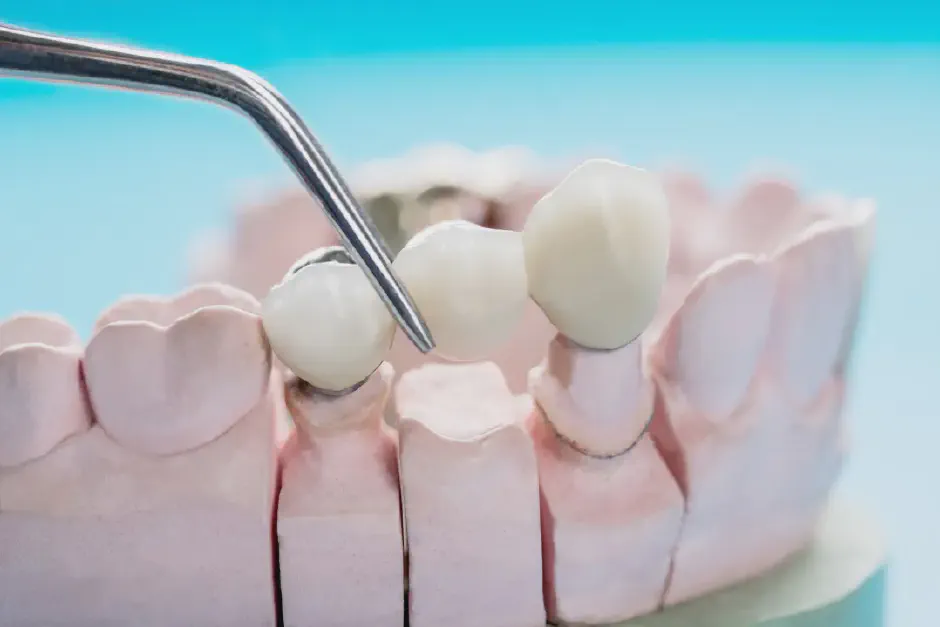
A missing tooth can affect more than your smile. A well-cared-for bridge keeps your bite healthy and your treatment on schedule.
A dental bridge works best when it’s cared for the same way you’d protect your natural teeth. This guide walks you through how to clean your bridge, how long it should last, the warning signs to watch for, and the advice our team at Premier Dentistry in Gresham, OR shares with every patient.
For personalized care and long-term protection, schedule a visit with Premier Dentistry at (503) 667-1184.
What Is a Dental Bridge?
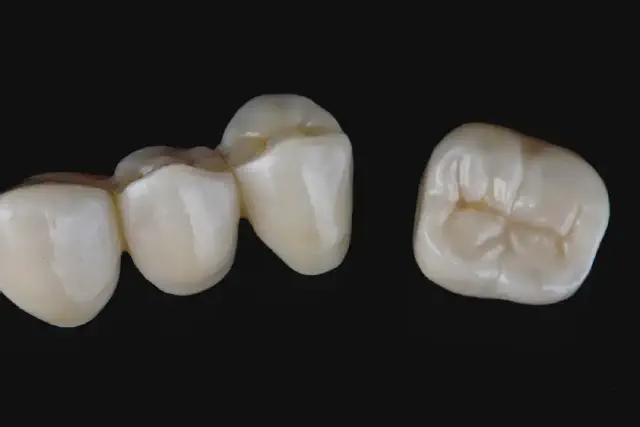
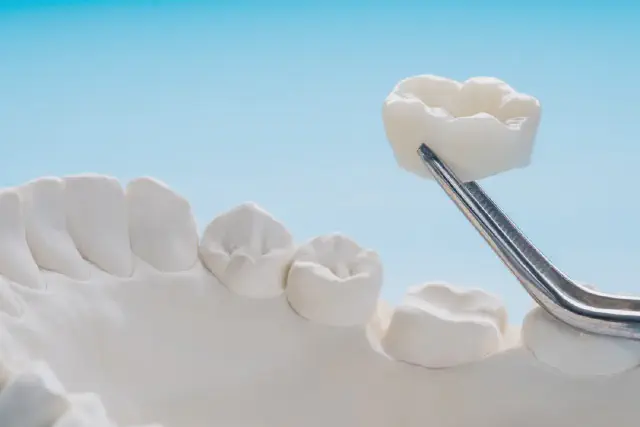
A dental bridge is a prosthetic that replaces one or more missing teeth by anchoring to your natural teeth or implants.
Types of Bridges:
- Traditional Bridge: Anchored on both sides of the missing tooth.
- Cantilever Bridge: Anchored on only one side (used when teeth are limited).
- Maryland Bridge: Uses a metal or porcelain framework bonded to teeth.
- Implant-Supported Bridge: Secured with implants for a long-lasting solution.
Benefits:
- Restores chewing and speaking ability
- Maintains face shape
- Prevents other teeth from shifting
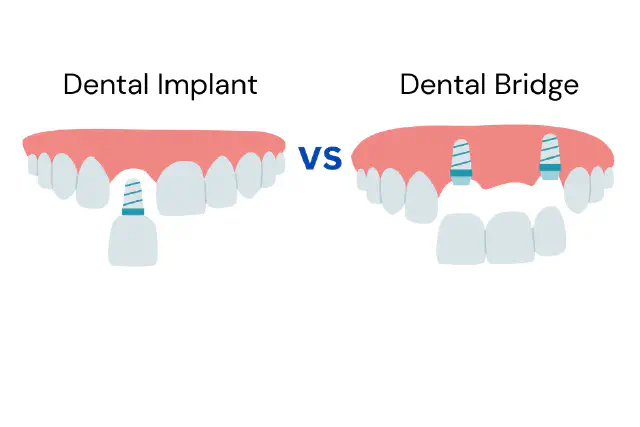
For a deeper look at how bridges compare to other replacement options, read our companion guide: “Dental Implants vs. Bridges: Which One Is Right for You?” You can also explore our restorative dentistry services for crowns, implants and other options.
Cleaning & Maintenance Techniques
Daily Cleaning Routine:
- Brush twice daily with a soft toothbrush.
- Floss under the bridge using floss threaders or interdental brushes.
Mouthwash & Rinses:
Use an antibacterial rinse to prevent plaque and gum disease.
Professional Cleanings:
Visit your dentist every 6 months for checkups and professional cleaning.
Habits That Protect Your Bridge:
Avoid chewing ice, hard candies, or sticky foods.
If you grind your teeth, consider a night guard.
Lifespan Expectations for Your Dental Bridge
Dental bridges can last 5–15 years or more with proper care.
Factors that Affect Longevity:
- Oral hygiene habits
- Diet and avoiding hard foods
- Regular dental visits
- Teeth grinding or clenching
Tips to Extend Lifespan:
- Clean thoroughly every day
- Schedule regular checkups
- Avoid habits that put stress on your bridge
Common Problems With Dental Bridges (And How Dentists Fix Them)
| Problem | Common Cause | How Dentists Fix It |
|---|---|---|
| Loose Bridge | Cement weakens or supporting teeth shift | Re-cementing or adjusting the bridge |
| Tooth Decay Under Bridge | Plaque buildup on supporting teeth | Fillings or bridge replacement |
| Broken Crown / Chipped Porcelain | Trauma, hard foods | Repair or replace the crown/bridge |
| Gum Irritation | Poor fit or hygiene issues | Professional cleaning or adjustment |
| Sensitivity Issues | Tooth preparation or irritation | Evaluation and desensitizing treatments |
| Repair vs Replacement | Severity of damage or decay | Minor repairs or full replacement |
Notice any issues? Call Premier Dentistry at (503) 667-1184 for an expert check-up.
What to Expect During Your Visit
- Warm Welcome & Consultation: Our team reviews your dental history and answers questions.
- Checking Fit, Bite, and Comfort: Ensures your bridge feels natural.
- Digital X-Rays & Imaging: Precise planning for the best results.
- Comfort Options: Local numbing, with sedation available if needed.
Your comfort is our priority.
Ready to restore your smile? Call Premier Dentistry at (503) 667-1184 to schedule your consultation today!