
Sensitive Teeth Relief: 6 Fast Effective Home Remedies
How to Relieve Tooth Sensitivity at Home: 6 Dentist-Approved Remedies
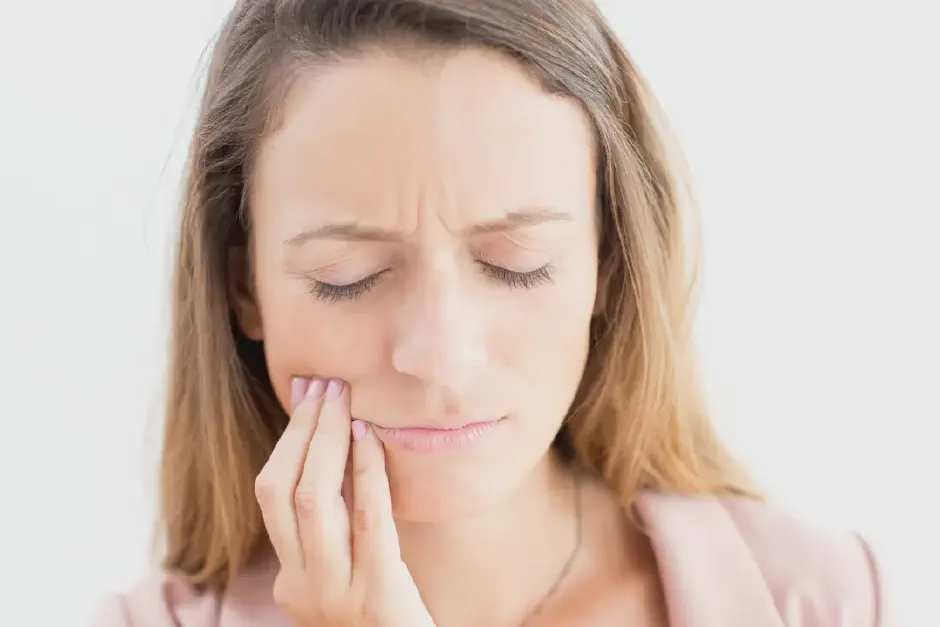
Tooth sensitivity can show up out of nowhere. One day everything feels normal, and the next, a sip of cold water makes you flinch. The good news? Many people find fast relief with simple steps at home.
Still, it’s important to understand what causes sensitivity and when it’s a sign your teeth need professional care. This guide explains the best home remedies and when to visit Premier Dentistry for long-lasting help.
What Causes Tooth Sensitivity?
Sensitive teeth usually point to one problem: the inside of your tooth, called the dentin, has become exposed. When this layer is uncovered, even small things—cold drinks, sweets, air, brushing—can cause pain.
Here are the most common reasons this happens:
• Worn-down enamel
• Gum recession that exposes the roots
• Tooth grinding (often while you sleep)
• Cavities or cracks
• Recent whitening treatments
• Old fillings that need repair
6 Home Remedies That Really Help
These simple, dentist-approved steps can calm sensitive teeth and make everyday eating and drinking more comfortable. They’re safe, gentle, and easy for anyone to try.
1. Use Toothpaste for Sensitive Teeth
This is the easiest place to start. Sensitive-tooth toothpaste works by blocking tiny pathways in the teeth that send pain signals. It may take a few days to feel the difference, but most people notice relief within a week.
2. Rinse With Warm Salt Water
Salt water acts like a natural cleaner. Mix ½ teaspoon of salt into a glass of warm water, swish gently for 30 seconds, and spit. It can soothe sore gums and calm irritated teeth.
3. Try a Fluoride Mouthwash
Fluoride makes your enamel stronger, which helps protect the sensitive inner layers of your teeth. Use it once a day for the best results.
4. Avoid Cold Drinks and Sugary Foods
Cold temperatures and sugar can trigger sharp pain. Let cold drinks warm up a bit and try to limit sweets until the sensitivity improves.
5. Switch to a Soft Toothbrush
A hard toothbrush can scrub away enamel without you noticing. A soft brush cleans just as well but is much kinder to your teeth and gums. Use light pressure and small, gentle circles.
6. Use a Warm Compress
If your tooth feels tender, place a warm (not hot) cloth on your cheek for comfort. This won’t fix the cause, but it can calm minor irritation.
When Home Remedies Aren’t Enough
Some tooth sensitivity shows improvement within a few days. But if your pain keeps coming back or gets worse, it may be more than simple irritation.
Call Premier Dentistry if you notice:
• Pain lasting longer than 48 hours
• Sensitivity in only one tooth
• Swelling or gum tenderness
• A cracked tooth
• Pain from chewing or biting
These signs often mean a cavity, infection, or worn filling. Home remedies can’t fix those problems, but early treatment stops them from becoming more serious.
Professional Treatments at Premier Dentistry
If home care isn’t giving you the relief you need, we offer safe, proven treatments that help restore comfort:
• Fluoride varnish to strengthen enamel
• Dental bonding to cover exposed roots
• Gum therapy to treat recession
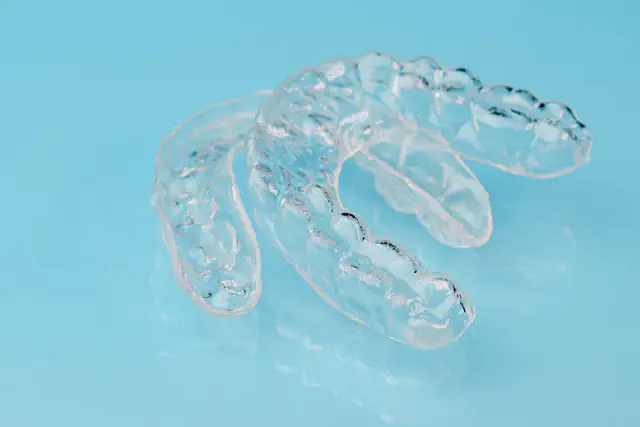
• Night guards for grinding or clenching
• Same-day exams for sudden sensitivity
These solutions don’t just ease pain—they help protect your teeth for the long run.
How to Prevent Sensitivity Long-Term
A few simple habits can lower your chances of future sensitivity:
• Brush twice a day with fluoride toothpaste
• Floss daily
• Avoid biting ice or hard foods
• Don’t brush too hard
• Visit your dentist every 6 months
Strong enamel and healthy gums are your best defense.
Check our patient resources page. Ready to Smile Brighter? Book Your Consultation Today
Schedule Your Free Consultation or call (503) 667-1184. Let’s get you on the path to straighter teeth—your Gresham smile awaits!
Frequently Asked Questions
Why did my tooth become sensitive all of a sudden?
How long does tooth sensitivity last?
Does whitening make teeth sensitive?
Which toothpaste works best for sensitive teeth?
Should I be worried if only one tooth is sensitive?
Related reading
 General dentistry · 5 min read
Fillings & Cavities
 Patient resources · 3 min read
Eating After Fillings
 Blog · 6 min read
Dental Filling Aftercare Tips
 General dentistry · 6 min read
Emergency Dentist
 Blog · 3 min read
Family Dentist for Kids & Teens in Gresham, OR
 General dentistry · 4 min read
Night Guards