
Dental Filling Aftercare Tips
How to Keep Your Smile Healthy and Pain-Free
- Key Takeaway
- What to Expect After a Dental Filling
- Immediate Care: The First 24 Hours
- What to Eat After a Dental Filling
- Managing Sensitivity or Pain
- Oral Hygiene and Maintenance After a Filling
- Dental Filling Recovery Timeline
- When to Contact Your Dentist
- How to Prevent Future Cavities and Fillings
Getting a dental filling is one of the most common treatments we perform
at Premier Dentistry in Gresham, OR. It’s a quick, effective way to restore your tooth after a cavity — but how you care for your mouth afterward can make all the difference in your recovery.
Whether you just had a small composite filling or a larger restoration, these dental filling aftercare tips will help you heal comfortably, protect your new filling, and prevent future cavities.
Key Takeaway
- Your dental filling marks the start of better oral health — and with these simple aftercare steps, you can ensure lasting comfort and protection.
- Remember: gentle care, smart food choices, and regular check-ups are the secrets to a smooth recovery and a lifetime of healthy smiles.
Dental fillings in Gresham OR, Premier Dentistry is here to help you every step of the way — from your first filling to your next confident smile.
What to Expect After a Dental Filling
Immediately after your appointment, your mouth may still feel numb from the local anesthetic. It’s important to be cautious during this time so you don’t accidentally bite your tongue or cheek.
Here’s what you might experience during the first few hours or days:
- Mild soreness around the treated tooth
- Temporary temperature sensitivity
- A slightly altered bite or rough feeling (which often smooths out naturally)
Pro Tip: If you’re unsure whether your symptoms are normal, call us at (503) 667-1184 — we’re happy to help you assess what’s going on.
Immediate Care: The First 24 Hours
1. Wait Until the Numbness Wears Off
Don’t chew until you regain full sensation. Numbness usually fades within two to three hours, and eating before it’s gone increases your risk of biting your tongue or lip.
2. Chew on the Opposite Side
Once you’re ready to eat, chew on the opposite side of your mouth for the first day. This prevents unnecessary pressure on your new filling.
3. Avoid Sticky or Hard Foods
Foods like caramels, nuts, or crunchy snacks can pull at your filling or irritate the tooth. Stick to softer foods for the first day.
4. Manage Mild Discomfort
Over-the-counter pain relievers (like ibuprofen or acetaminophen) can ease tenderness. Always follow the instructions on the label or your dentist’s guidance.
5. Keep the Area Clean
Brush gently around the filled tooth to remove food particles and prevent bacterial buildup. Avoid aggressive brushing that might irritate the gum tissue.
These early steps are crucial to ensuring your dental filling recovery starts smoothly.
What to Eat After a Dental Filling
Soft, Gentle Foods
After your filling, opt for foods that are easy to chew and won’t stress the treated tooth:
- Yogurt
- Mashed potatoes
- Scrambled eggs
- Applesauce
- Smoothies (not too cold)
- Soups or broths at room temperature
Foods to Avoid
Hold off on:
- Hard candy, nuts, or ice
- Sticky foods like caramel, taffy, or gum
- Extremely hot or cold drinks
- Crunchy chips or raw vegetables for the first day or two
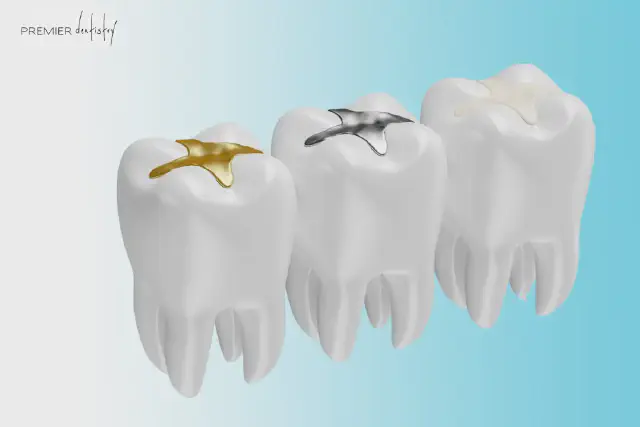
If you received a silver (amalgam) filling, avoid chewing on that side for 24 hours while it fully hardens. Composite (tooth-colored) fillings, on the other hand, are cured instantly with a special light, so you can eat soft foods sooner — just be gentle.
Managing Sensitivity or Pain
Understanding Sensitivity
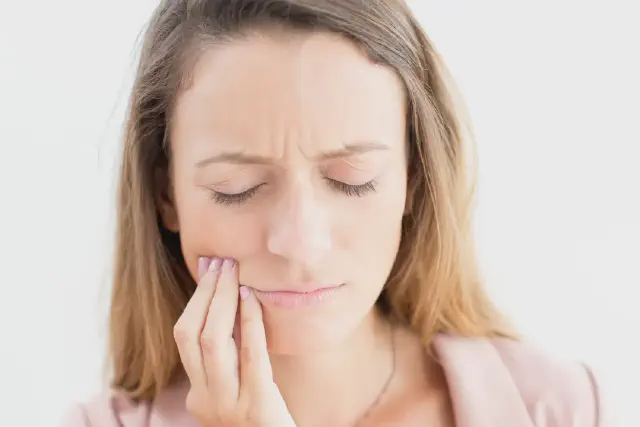
It’s common for teeth to be temporarily sensitive to heat, cold, or pressure after a filling. This happens because the nerve inside your tooth is adjusting to the new material.
Tips for Relief
- Use a sensitivity-reducing toothpaste such as Sensodyne® or Colgate Sensitive®.
- Avoid very hot or very cold beverages for the first few days.
- Rinse with warm salt water (½ teaspoon salt in a cup of warm water) to soothe the area.
- Stick to a balanced diet — avoiding excess sugar helps prevent further irritation.
When to Call the Dentist
- Contact Premier Dentistry if:
- Pain lasts longer than a week
- You experience sharp or radiating pain when biting
- Your bite feels uneven
- You notice swelling or discomfort that worsens
Persistent pain may mean the filling is slightly too high or your tooth nerve is inflamed — both are easy to correct with a quick adjustment.
Oral Hygiene and Maintenance After a Filling
Keeping your newly restored tooth clean is key to preventing decay around the filling edges.
Daily Care Tips
- Brush twice daily using a soft-bristled toothbrush.
- Floss gently between your teeth, especially near the treated area.
- Avoid aggressive toothpicks or hard flossing tools that could damage the filling margins.
- Use fluoride toothpaste to strengthen enamel and protect against future cavities.
Maintaining your regular hygiene routine — without overdoing it — helps your new filling last for years.
Local Tip: At Premier Dentistry in Gresham, we recommend scheduling your routine cleaning every six months to keep fillings and natural teeth in top shape.
Dental Filling Recovery Timeline
Day 1–2: Adjustment Period
- Numbness fades within hours.
- Mild soreness or sensitivity is normal.
- Stick to soft foods and gentle hygiene.
Days 3–5: Sensitivity Decreases
- Temperature sensitivity begins to fade.
- Normal eating resumes, but continue avoiding very hard foods.
1 Week: Full Recovery
- Discomfort should be minimal or gone entirely.
- If symptoms persist, schedule a bite adjustment.
Every patient heals at a slightly different pace, but most find that their filled tooth feels completely normal within a few days.
When to Contact Your Dentist
Even with excellent aftercare, certain signs mean you should reach out for professional evaluation:
- Pain or sensitivity that worsens instead of improving
- Visible cracks or rough edges in the filling
- Difficulty chewing or feeling like your bite is “off”
- Swelling or throbbing pain near the filled tooth
At Premier Dentistry, we prioritize your comfort and oral health. If you experience any of these issues, call us at (503) 667-1184 or visit us at 23479 SE Stark St, Suite 102, Gresham, OR 97030. Our team will quickly assess your bite and make any necessary adjustments.
How to Prevent Future Cavities and Fillings
The best way to avoid more fillings is to maintain excellent oral hygiene and preventive care habits.
Smart Prevention Tips
- Brush twice daily with fluoride toothpaste.
- Floss every day to remove food particles your toothbrush can’t reach.
- Limit sugary snacks and drinks — bacteria feed on sugar to produce decay-causing acids.
- Stay hydrated — saliva helps neutralize acids and protect enamel.
- Visit Premier Dentistry for regular cleanings and exams.
Regular visits allow our team to spot early signs of decay and address them before they turn into bigger problems.
Frequently Asked Questions
How long does pain last after a dental filling?
Can I eat right after getting a dental filling?
Why is my tooth sensitive after a filling?
How should I brush after getting a dental filling?
When should I see a dentist if my filling hurts?
Related reading
 General dentistry · 5 min read
Fillings & Cavities
 Patient resources · 4 min read
Sensitive Teeth Relief
 Patient resources · 3 min read
Eating After Fillings
 General dentistry · 6 min read
Emergency Dentist
 Blog · 3 min read
Family Dentist for Kids & Teens in Gresham, OR
 General dentistry · 4 min read
Night Guards