Dental Crown Aftercare: Make Your Crown Last for Years
Crowns Aftercare Tips: Expert Advice on Caring for Your Dental Crown

When you’ve just had a dental crown placed, it’s natural to feel both relief and pride
— your tooth is stronger, your smile looks great, and you can finally chew comfortably again. But that new crown isn’t a “set it and forget it” fix. Like any dental investment, it deserves a little daily care to keep it strong, functional, and beautiful.
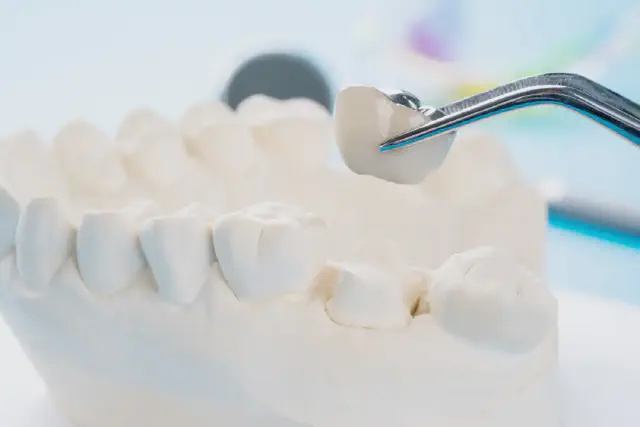
These crowns aftercare tips will help you maintain your restoration and ensure it lasts for many years — possibly decades — without trouble. For the bigger picture, see our restorative dentistry services and our guide on how long dental crowns last.
Why Dental Crown Aftercare Matters
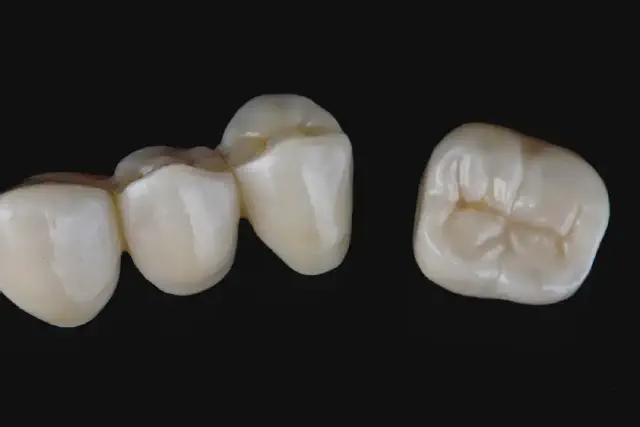
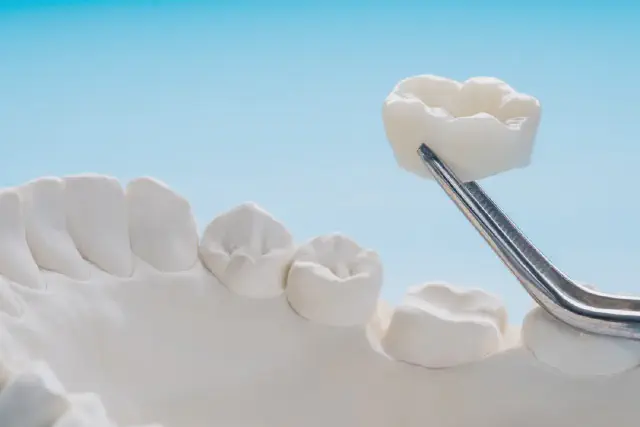
A dental crown acts like armor for your tooth — protecting it from decay, cracks, and everyday wear. But even the strongest armor can weaken if neglected. Proper care keeps bacteria at bay, prevents gum inflammation, and maintains the snug fit between your crown and natural tooth.
Think of it as teamwork: your dentist provides the craftsmanship, and you provide the daily maintenance. Together, you’ll keep your crown looking and feeling like part of your natural smile.
What to Expect After Getting a Dental Crown
It’s common to notice mild sensitivity to hot or cold for a few days after your crown placement. Your bite might feel a little “off” at first, too — that’s your mouth adjusting to the new shape.
Here’s what’s normal:
- Slight soreness near the gum line.
- Sensitivity that fades after a week or two.
- A gradual feeling of “natural” as your crown settles in.
Here’s when to call your dentist:
- Persistent pain or swelling.
- A loose, wobbly, or cracked crown.
- Ongoing sensitivity that doesn’t improve.
Your dentist can make small adjustments or re-cement the crown if needed. A quick fix now can save you a major repair later.
Daily Crowns Aftercare Tips for a Healthy Smile
1. Brush Twice a Day — Gently but Thoroughly Use a soft-bristled toothbrush and fluoride toothpaste to clean around your crown just as you would your natural teeth. Focus on the gum line — that’s where plaque loves to hide.
2. Floss Carefully Around the Crown Slide the floss out (not up) to avoid accidentally dislodging your crown. Or try a water flosser for a gentle, thorough clean between teeth.
3. Use an Antibacterial Mouthwash This helps reduce bacteria and freshens breath while protecting the area around your crown from decay.
4. Avoid Hard or Sticky Foods Chewing on ice, nuts, or hard candy can crack even the toughest crown materials. Sticky foods like caramel or taffy can pull at the edges.
- Dentist’s Tip: If you grind your teeth at night, ask about a custom night guard. It’s one of the simplest ways to extend your crown’s lifespan.
Foods to Avoid (and Enjoy) After Getting a Crown
Skip anything that could loosen, crack, or stress your crown — think unpopped popcorn kernels or sticky candy.
Instead, enjoy:
- Soft fruits like bananas or berries.
- Lean meats and cooked vegetables.
- Yogurt, eggs, and whole grains.
Your crown is designed to handle normal chewing, but moderation is key. When in doubt, think: Would this be tough on a natural tooth? If yes, it’s tough on a crown too.
How Long Do Dental Crowns Last?
Most crowns last 10–15 years, but many patients enjoy them much longer with proper care. Lifespan depends on:
-
Your oral hygiene routine.
-
The materials used (porcelain, zirconia, or metal).
-
Habits like grinding, nail biting, or chewing ice.
-
Regular cleanings and exams help your dentist catch small issues early — long before they become expensive repairs.
-
Want to know which crown type is best for longevity? Check out our guide on types of dental crowns.
When to Call Your Dentist
Don’t ignore early warning signs. Contact your dentist if you notice:
- Sharp pain while biting or chewing.
- Gum tenderness or inflammation around the crown.
- Chips, cracks, or looseness.
Prompt attention can prevent infection, discomfort, and more complex treatments later on.
Why Regular Checkups Are Part of Aftercare
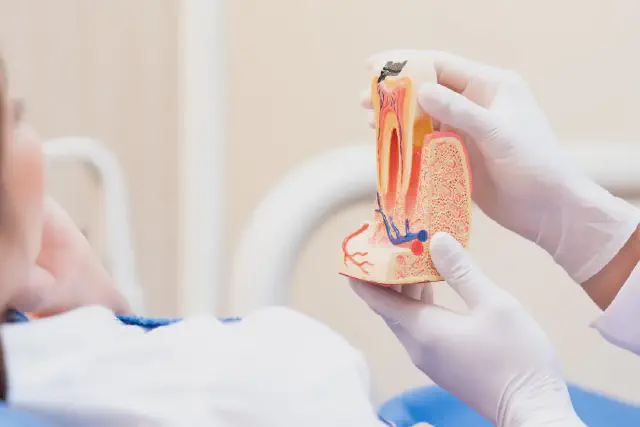
Even though your crown can’t decay, the tooth beneath it still can. Regular dental visits let your dentist inspect the crown’s fit, polish away plaque, and make sure your bite remains balanced.
Skipping cleanings may not seem like a big deal — until a hidden cavity or gum infection shows up under your crown. Consistency keeps your investment safe.
Expert Care
A dental crown isn’t just a restoration — it’s a promise of protection and confidence. With the right care, your crown will do its job beautifully for many years.
If you’re ready to learn more about caring for your smile after dental work, check out our Aftercare Tips Blog for dentist-approved advice to keep your teeth and gums in top shape.
Or, if your crown feels off or you’re due for a check-up, schedule a visit with Premier Dentistry in Gresham, OR— your smile deserves expert attention and long-lasting comfort.