
Tooth Extraction Aftercare: Bleeding, Dry Socket & Healing
How to stop the bleeding, protect the clot, avoid dry socket and heal comfortably, from the team at Premier Dentistry in Gresham.
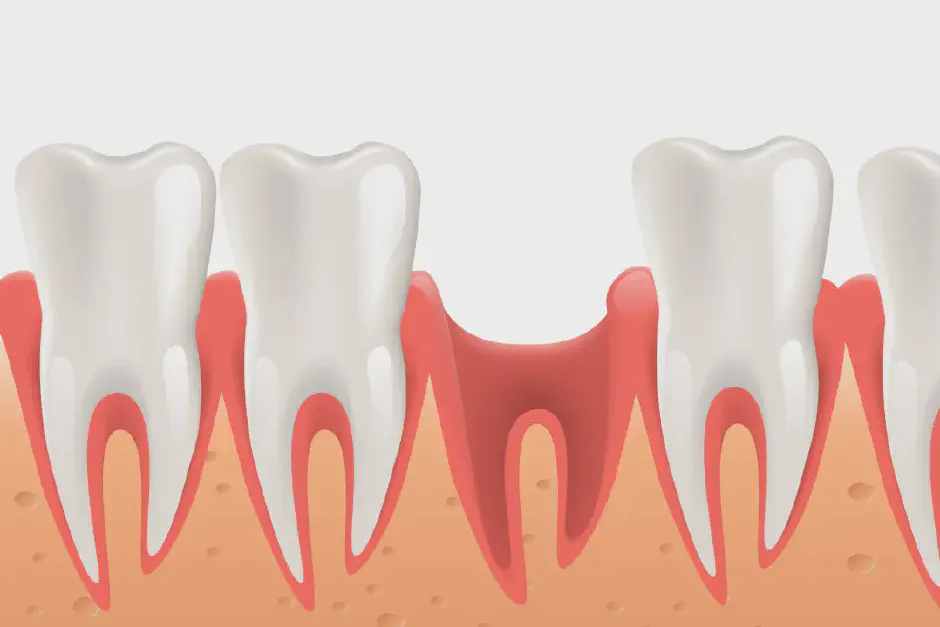
A little bleeding, soreness and swelling are normal after a tooth comes out.
What matters most in the first few days is protecting the blood clot that forms in the socket: it covers the bone and nerves while the gum heals. This guide covers the first 24 hours, how to stop bleeding, how to avoid dry socket, what to eat, and when to call us. If you had wisdom teeth removed, read our wisdom teeth recovery guide as well.
The instructions we give you for your own tooth extraction come first. If anything worries you, call Premier Dentistry at (503) 667-1184.
The First 24 Hours
- Keep pressure on the gauze. Bite down firmly for 30–45 minutes without talking or chewing. If the socket is still bleeding, place a fresh, slightly moistened gauze pad and bite for another 30 minutes.
- Keep your head up. Sit upright, and sleep the first night propped on pillows. Lying flat or bending over increases bleeding.
- Avoid suction. Don’t rinse, spit or drink through a straw, and don’t smoke or vape. Suction can pull the clot out.
- Ice the swelling. Hold an ice pack wrapped in a cloth against your cheek, 15 minutes on and 15 minutes off.
- Rest. Skip workouts and heavy lifting for the day.
- Eat cool, soft food. Avoid hot drinks and alcohol.
How to Stop Bleeding After a Tooth Extraction
Oozing and pink saliva for up to 24 hours are normal. To control bleeding:
- Replace soaked gauze with a fresh, slightly moist pad and bite down firmly for 30 minutes. Dry gauze can stick to the clot and pull it loose when you remove it.
- Sit upright and keep still.
- If the bleeding continues after about two hours, bite on a moistened black tea bag for 30 minutes. The tannins in black tea help the blood clot.
Call us right away if bleeding soaks through the gauze within 15 minutes or is still going after 24 hours. If bleeding is heavy and won’t stop with firm pressure outside office hours, or you have any trouble breathing or swallowing, go to the nearest emergency room.
Preventing Dry Socket
Dry socket happens when the clot loosens or dissolves too early and leaves the bone exposed. It usually shows up 2 to 4 days after the extraction as a sharp, throbbing pain that can spread to the ear, often with bad breath or a bad taste. It is more likely after lower wisdom teeth are removed, in smokers, and in women taking birth control pills.
To lower your risk:
- No smoking or vaping for at least 72 hours, and a full week if you can. The suction and the nicotine both slow healing. If you need help staying off cigarettes, ask us about nicotine patches.
- No straws or suction for a week. Drink from a cup, don’t spit forcefully, and avoid sucking on hard candy or playing a wind instrument.
- Rinse gently. Starting 24 hours after the extraction, rinse with warm salt water (½ teaspoon of salt in 8 ounces of warm water) after meals, and let it flow out of your mouth rather than spitting. If we prescribe a chlorhexidine rinse, use it as directed.
- Brush around the site, not on it. Brush your other teeth gently and keep the brush away from the socket for the first few days.
- Leave the socket alone. Don’t touch it with your tongue or fingers.
If you think you have dry socket, call us. We treat it with a medicated dressing in the socket for pain relief, and prescribe antibiotics if needed.
What to Eat After a Tooth Extraction
For the first three or four days, choose cool, soft foods and chew on the other side:
- Yogurt and applesauce
- Smoothies, from a cup rather than a straw
- Mashed potatoes and mashed bananas
- Scrambled eggs
- Soups and broths, once they have cooled to lukewarm
Avoid hot food and drinks on the first day, spicy, crunchy, chewy or sticky foods, carbonated or acidic drinks, and alcohol. From about day four, add firmer foods as they feel comfortable. Drink plenty of water.
Managing Pain and Swelling
- Day 1: ice pack, 15 minutes on and 15 minutes off.
- From day 2: a warm compress on the cheek can ease stiffness and aching.
- Medication: take pain relievers exactly as we directed, and finish any antibiotics we prescribe.
- Rest with your head raised, and keep eating soft foods.
What Recovery Looks Like
- First 24 hours: oozing and swelling while the clot forms.
- Days 2–3: bleeding has usually stopped, and mild tenderness is easy to manage.
- Days 4–7: swelling and tenderness ease, and you can return to firmer foods and brush gently near the site.
- 7–10 days: most people have healed. Surgical or multiple extractions can take longer.
When to Call Us
Call Premier Dentistry at (503) 667-1184 if you have:
- Bleeding that soaks through the gauze within 15 minutes or lasts beyond 24 hours
- Pain that gets worse after day two, or that your medication doesn’t relieve
- A bad taste or smell from the socket, or pus
- A fever, or swelling that spreads or keeps growing after the second or third day
We see urgent cases the same day whenever we can. See our emergency dentist page for what to expect.
Printable Checklists
Frequently Asked Questions
How long does it take to heal after a tooth extraction?
Is bleeding normal the first night after a tooth extraction?
What if my extraction site is still bleeding after two hours?
How should I sleep the first night after a tooth extraction?
When can I brush my teeth again?
What can I eat after a tooth extraction?
How long should I avoid straws, smoking and vaping?
What are the signs of dry socket?
How can I tell if my extraction site is infected?
Related reading
 General dentistry · 5 min read
Tooth Extractions
 Patient resources · 10 min read
Wisdom Teeth Recovery
 General dentistry · 6 min read
Emergency Dentist
 Blog · 3 min read
Family Dentist for Kids & Teens in Gresham, OR
 General dentistry · 5 min read
Fillings & Cavities
 General dentistry · 4 min read
Night Guards