What to Expect After Dental Implant Surgery: Complete Guide
Your Stress-Free Path to a Lasting Smile Starts Here
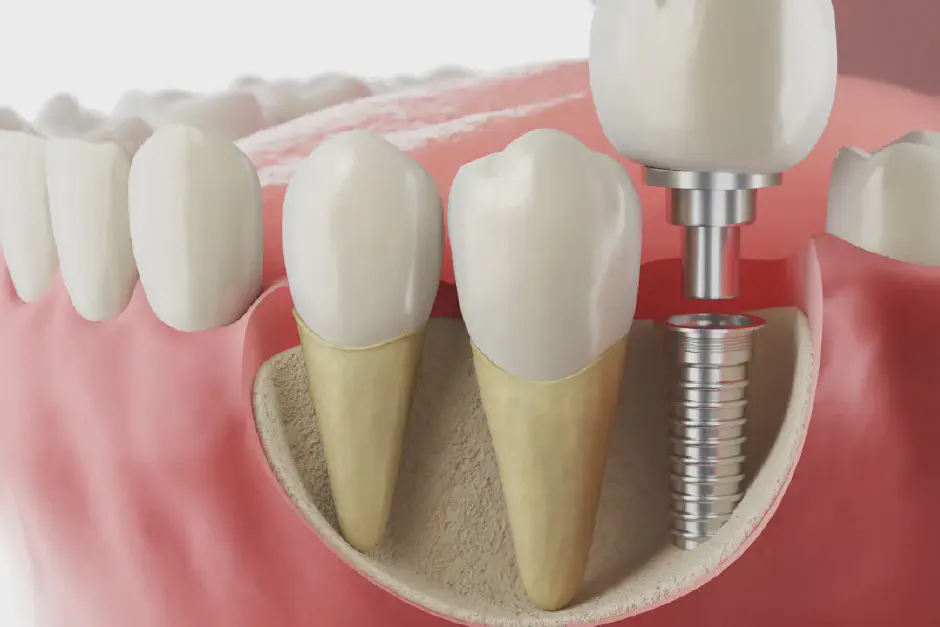
Getting dental implants is more than a procedure—it’s the start of a stronger, more confident smile.
At Premier Dentistry in Gresham, OR, we’ve helped countless patients through recovery, and we know the first week can bring questions. How bad will it hurt? When can you eat normally? What’s “normal” healing?
Here’s the good news: with the right care, recovery is smooth and predictable. Discomfort usually peaks in the first 48 hours and eases by day 7. This guide walks you through exactly what to expect each day—so you can heal faster, worry less, and get back to smiling with confidence.
Getting Your Smile Back: Easy 7-Day Guide After Dental Implants
Dental implants represent a transformative investment in your smile and oral health. While the initial recovery period may raise questions about discomfort, diet, and sensations, patients at Premier Dentistry can expect a straightforward and efficient healing process.
Most individuals experience mild soreness for the first 48 hours, with significant improvement by day 7. This comprehensive guide provides a structured day-by-day recovery plan, evidence-based recommendations, and ongoing support. Our team is available to address any concerns—contact us at your convenience to ensure a confident, successful outcome.
Your Super-Simple Day-by-Day Recovery Plan
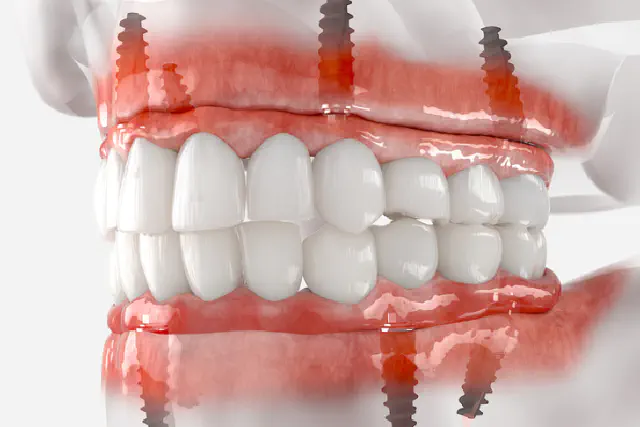
Week 1 focuses on promoting gum tissue healing, while osseointegration (bone bonding) continues over several months. The table below outlines key milestones—95% of patients progress smoothly through this phase with proper care. Patients replacing a whole arch with All-on-4 dental implants follow the same milestones.
| Day | What Happens | Easy Fixes |
|---|---|---|
| Day 0 (Surgery Day) | A bit of blood stops fast; numb feeling goes away; tiny swelling starts. Ouch like a bumped knee. | Chill out; ice on/off 20 mins; bite gauze 30-60 mins; eat mushy stuff like yogurt. No driving if sleepy! |
| Days 1-2 | Swelling gets biggest (puffy cheeks); light blood or drip; hurt level 3-5/10. Hard to open mouth wide. | Ice first 2 days, then warm packs; take kid-safe pain pills like ibuprofen; sip cool smoothies or pudding; rinse with salt water after day 1. Prop head up to sleep. |
| Days 3-4 | Swelling shrinks; maybe light bruises; ouch down to 2-4/10. Talking and eating get easier. | Try squishy foods like mashed taters or eggs; brush soft, skip the sore spot; short walks are cool. Rinse 2-3 times a day. |
| Days 5-7 | Barely hurts (1-3/10); no more puff; switch to softer real foods. You feel normal again! | Brush and floss gently; do light play or work; go to check-up. High-five for making it! |
Grab our 7 day Dental Implant Recovery to track your wins.
What’s Normal (and What’s Not) in Your Healing
It is natural to have concerns about discomfort, swelling, or the stability of your new implant. Rest assured, these are typically transient and resolve as part of the normal healing process, paving the way for a durable, confident smile.
- Expect mild discomfort similar to post-exercise soreness, most noticeable on days 1–2 and steadily decreasing thereafter. Swelling typically peaks on day 2 and subsides by day 5 with proper cold and warm compress application. Minor bleeding or bruising is a normal part of the healing response and resolves naturally.
- Monitor for: Significant increase in pain after day 3 or persistent swelling. These occurrences are uncommon, but prompt evaluation ensures optimal outcomes—our team is readily available for consultation.
Your recovery progresses steadily with each day; we are here to support you throughout the process.
Explore our sedation dentistry options for a comfortable, stress-free experience.
Quick Tips to Keep Your New Tooth Happy
Simple adjustments to your diet, oral hygiene, and rest routine can significantly enhance the healing process. The following guidance ensures a straightforward and effective recovery.
Cleaning Hacks
Days 1-2: Skip brushing the spot; just wipe gently with a wet cloth. Day 3 on: Swish salt water (half spoon in a cup of warm water) 2-3 times a day. Brush soft everywhere else with a squishy toothbrush. No-no’s: Avoid vigorous rinsing, probing the site, or smoking, as these can introduce bacteria and impede healing.
Eat Smart: Yes & No
Recommended: Soft, nutrient-rich foods such as smoothies, soups, and scrambled eggs. Stay hydrated with cool water. Avoid: Hot or spicy foods, using straws (which can dislodge blood clots), hard or chewy items (e.g., nuts, tough meats), and alcohol. Proceed gradually to maintain comfort.
Need meal inspo? Download our free PDF: 50 Soft Foods After Dental Implants
Rest and Activity Guidelines
- Elevate your head with two pillows while sleeping to minimize swelling.
- Days 1–3: Prioritize rest; avoid strenuous activities or heavy lifting.
- Days 4–7: Light walking or routine chores are appropriate; postpone exercise until day 8 or later.
Adhering to these guidelines will facilitate a smooth and efficient progression through Week 1.
When to Contact Your Dentist: Key Warning Signs
Mild pain and swelling are expected following dental implant surgery; however, certain symptoms warrant immediate attention. Please contact us promptly if you experience:
- Pain that intensifies suddenly or fails to respond to prescribed medication.
- Swelling that worsens after day 3.
- Pus discharge, fever exceeding 101°F (38.3°C), or persistent bleeding that saturates gauze.
- Numbness persisting beyond two days, or difficulty breathing or swallowing.
At Premier Dentistry, your safety always comes first. If anything feels off, call us at (503) 667-1184 — we’re here to help you heal with confidence.