
What to Do in a Dental Emergency in Gresham, OR
Step-by-step first aid for the most common dental emergencies, when the emergency room is the right call instead, and how to reach us fast.
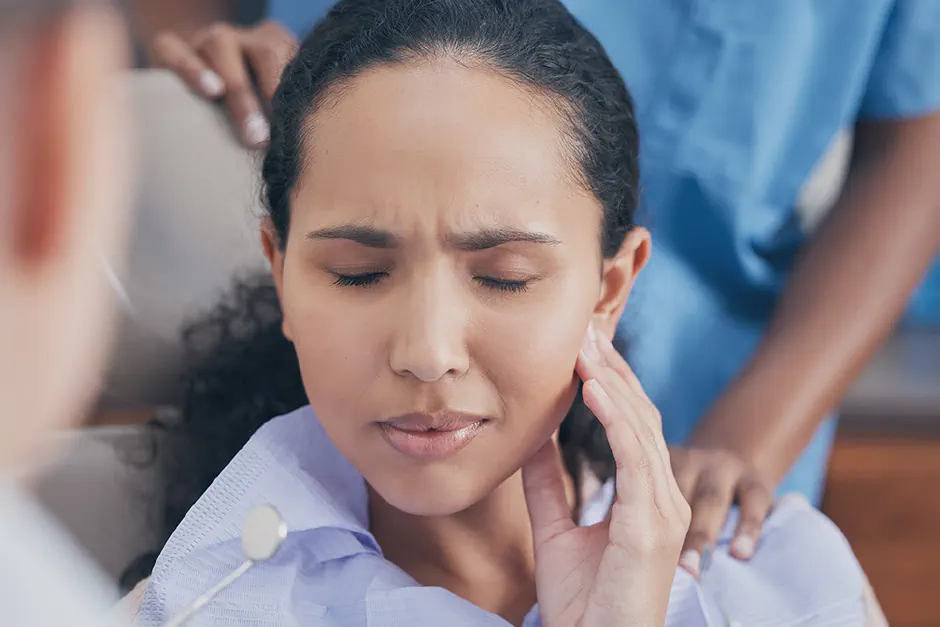
A dental emergency rarely arrives at a convenient time. A tooth cracks on a weekend hike, a filling falls out at dinner, or a toothache builds until it keeps you up at night.
What you do in the first hour often decides whether a tooth can be saved and how much treatment you will need afterwards. This guide walks through the most common emergencies we see at Premier Dentistry in Gresham, the first aid for each, and the small number of situations where the emergency room, not the dentist, is the right first stop.
If you already know you need to be seen, skip the reading: call (503) 667-1184. Our emergency dentist page explains what happens when you call, what a visit costs and our office hours.
First, Decide: Dentist or Emergency Room?
Most dental emergencies belong in a dental office. A hospital can control bleeding, treat a serious infection and manage pain, but it usually cannot repair or replace a tooth. Use this table to decide where to go.
| What is happening | Where to go |
|---|---|
| Swelling spreading toward the eye, under the jaw or into the neck | Emergency room, now |
| Trouble breathing or swallowing | Emergency room, now |
| A blow to the face with a suspected broken jaw, or any loss of consciousness | Emergency room, now |
| Bleeding that will not stop after 15 minutes of firm, steady pressure | Emergency room |
| Knocked-out tooth, broken tooth, severe toothache, lost crown or filling, abscess without spreading swelling, cut lip or tongue that stops bleeding with pressure | Call us |
If you go to the ER, book a follow-up with us as soon as you can. Hospitals stabilise; dentists repair.
Step-by-Step First Aid by Situation
Knocked-Out Adult Tooth
This is the most time-sensitive dental emergency. Teeth replanted within about an hour have a good chance of reattaching.
- Find the tooth and pick it up by the crown, the part you normally see. Do not touch the root.
- If it is dirty, rinse it briefly in milk or water. Do not scrub it, wrap it in tissue or let it dry out.
- If you can, slide it back into the socket facing the right way and bite gently on clean gauze or a folded cloth to hold it in place.
- If you cannot replant it, keep it in a small container of milk, a tooth-preservation solution from a pharmacy, or your own saliva. Water is a last resort.
- Call us on the way. Tell us it is a knocked-out tooth so we can clear time immediately.
Never replant a baby tooth; it can damage the adult tooth forming underneath. See the children’s section below.
Broken, Chipped or Cracked Tooth
- Rinse your mouth with warm water.
- Save any pieces in a damp cloth or a container of milk and bring them with you. A clean fragment can sometimes be bonded back on.
- Hold a cold compress against the cheek to limit swelling.
- If a sharp edge is cutting your tongue or cheek, cover it with orthodontic wax or sugar-free gum until you are seen.
- Avoid chewing on that side. A cracked tooth can split further under pressure.
A chip that does not hurt can usually wait a few days. Pain, a visible crack, or a tooth that reacts sharply to cold means the nerve may be involved, so call the same day.
Severe Toothache
- Rinse with warm salt water, half a teaspoon of salt in a glass of warm water.
- Floss gently around the tooth to dislodge anything trapped. A piece of food wedged under the gum can cause surprisingly intense pain.
- Take an over-the-counter pain reliever as directed on the package. Do not hold aspirin or any tablet against the gum; it burns the tissue and does nothing for the pain.
- Keep your head elevated when lying down. Pressure builds in an inflamed tooth when you lie flat.
- Call us. Pain that wakes you at night, does not respond to pain relief, or follows an injury usually means the nerve is inflamed or infected and will not settle on its own.
Abscess or Facial Swelling
An abscess is an infection at the root of a tooth or in the gum. It often shows up as a painful, pimple-like bump on the gum, a bad taste, throbbing pain, or swelling in the face.
- Rinse with mild salt water several times a day to keep the area clean.
- Do not try to pop or drain it yourself.
- Use a cold compress on the outside of the face for swelling. Do not apply heat.
- Call us the same day. Antibiotics alone rarely resolve an abscess; the tooth needs to be drained and treated.
- If the swelling is spreading toward your eye or throat, or you have a fever with difficulty swallowing, go to the emergency room first and call us afterwards.
Lost Filling or Crown
- If you have the crown, rinse it and keep it in a safe container. It can often be re-cemented.
- Avoid chewing on that side. The exposed tooth is weak and sensitive.
- Clove oil on a cotton swab, or temporary dental cement from a pharmacy, can dull sensitivity until your visit. Do not use household glue.
- Call us within a day or two. The longer a tooth stays exposed, the more likely it is to fracture or decay.
Cut Lip, Tongue or Gum
- Rinse gently with mild salt water.
- Apply firm, steady pressure with clean gauze or a damp tea bag for a full 15 minutes without lifting it to check.
- Hold a cold compress on the outside of the mouth to limit swelling.
- If bleeding continues after 15 minutes of uninterrupted pressure, or the cut is deep or gaping, go to an emergency room.
Broken Braces Wire or Bracket
- Cover any sharp end with orthodontic wax, a piece of sugar-free gum or a small cotton ball.
- If a wire is loose, try to push it flat against the tooth with the eraser end of a pencil. Do not cut it.
- Do not swallow any loose piece you can remove.
- Call us or your orthodontist for a repair appointment. This is urgent if the wire is cutting your cheek, otherwise it can usually wait a day.
Something Stuck Between Teeth or Under the Gum
- Floss gently, tying a small knot in the floss if that helps catch the object.
- Rinse with warm water.
- Never use a pin, needle or knife. If floss does not free it, call us.
Managing Pain Until Your Appointment
- Take over-the-counter pain relief exactly as the label directs. Ibuprofen works well for dental pain in patients who can take it; check with a pharmacist if you are unsure.
- Cold on the outside of the face reduces swelling and pain. Avoid heat on any swelling.
- Salt-water rinses several times a day keep the area clean and soothe irritated gums.
- Eat soft, lukewarm foods and chew on the other side.
- Do not smoke or drink alcohol; both slow healing and can worsen bleeding.
Pain relief buys time; it does not treat the cause. A toothache that eases after a day or two can still be an infection working its way deeper.
What to Keep in a Home Dental First-Aid Kit
A small kit in the bathroom cabinet, and another in a sports bag, saves a frantic search when something goes wrong.
- Clean gauze pads
- Table salt for rinses
- An over-the-counter pain reliever
- Orthodontic wax for sharp edges and wires
- A small container with a lid, for a knocked-out tooth or a lost crown
- A tooth-preservation kit from a pharmacy if anyone in the house plays contact sports
- Temporary dental cement or filling material
- An instant cold pack
- Our number, (503) 667-1184, saved in every family member’s phone
Children and Teens
Children’s dental emergencies follow the same first aid with two important differences. A knocked-out baby tooth should never be replanted, because it can injure the adult tooth developing underneath. And bitten lips and tongues, common in toddlers, usually look far worse than they are; pressure and a cold compress settle most of them.
Premier Dentistry treats patients aged 12 and up, and younger children who are already established patients. If your younger child is new to us and has an emergency, call a pediatric dentist so they are seen the same day. Our guide to pediatric dental emergencies covers knocked-out baby teeth, bitten lips and when to head to the ER instead.
After-Hours Emergencies in Gresham
We are not a 24-hour clinic. During office hours we hold time each day for urgent cases, and the earlier you call, the more likely we can see you before we close. Outside those hours we give phone guidance for genuine emergencies, such as a knocked-out tooth or bleeding that will not settle, so you know what to do until we open.
For a life-threatening problem overnight, spreading swelling, difficulty breathing or swallowing, a broken jaw or uncontrolled bleeding, go to the nearest emergency room and call us when we open. Our current office hours are listed on the emergency dentist page.
Preventing the Next One
Most of the emergencies we treat come from a handful of avoidable causes. A few habits go a long way, especially for an active Gresham household that spends its weekends on the Springwater Corridor or at Powell Butte.
- Wear a custom mouthguard for contact sports, mountain biking and skateboarding. A store-bought guard is better than nothing; a fitted one protects far better.
- Do not chew ice, hard candy or popcorn kernels, and never use your teeth to open packaging.
- If you grind or clench at night, ask us about a custom night guard. Grinding is behind many of the cracked teeth we see.
- Keep up with cleanings and exams. Most abscesses start as untreated decay or gum disease that a routine visit would have caught.
- Fix small problems early. A tiny chip or a filling that feels rough is far cheaper to repair now than after it fractures.
What Happens When You Call Us
When you call (503) 667-1184, describe what is going on. We will tell you honestly whether we can see you today, what to do in the meantime, and roughly what the visit will cost. The visit itself focuses on the problem that brought you in: pain relief first, then a targeted exam and X-ray, then a clear explanation of your options and their cost before anything begins. Many emergencies are resolved in one visit, and a badly broken tooth can often be finished the same day with a CEREC crown milled in our office.
Dr. Kevin Shim has treated Gresham families since 2007, and he and Dr. Jodi Pak built the practice around gentle care, which matters most on the day something goes wrong. If you are anxious about treatment, tell us when you call; sedation options are available for emergency visits too.
Our office is at 23479 SE Stark St, Suite 102, Gresham, OR 97030, a short drive from Troutdale, Fairview, Wood Village and east Portland. For appointment details, costs and hours, see our emergency dentist page.
Frequently Asked Questions
What should I do if I have a toothache in the middle of the night?
Can a knocked-out tooth be saved?
When should I go to the emergency room instead of the dentist?
Is there a 24-hour emergency dentist in Gresham?
How much does an emergency dental visit cost without insurance?
My child knocked out a tooth. What do I do?
What should I keep at home for a dental emergency?
Related reading
 General dentistry · 6 min read
Emergency Dentist
 Blog · 6 min read
Knocked-Out Tooth
 Blog · 3 min read
Toothache Relief Tips & When to See a Gresham Dentist
 Patient resources · 4 min read
Pediatric Dental Emergencies
 Blog · 3 min read
Family Dentist for Kids & Teens in Gresham, OR
 General dentistry · 5 min read
Fillings & Cavities